All information in the datasheets is also available in ESDL (Energy System Description Language). You can find them in the Energy Data Repository (EDR).
Diabatic compressed air energy storage (CAES) for large-scale temporal electricity storage v.2
Compressed air energy storage (CAES) is based on storing electricity as compressed air. Compressed air is typically stored underground in suitable geological formations (salt, hard rock and porous rock or aquifer). Aboveground CAES is also a possibility, however investment costs in this case are higher.
This factsheet only considers underground CAES whereas air is expanded through a turbine to produce electricity. Diabatic CAES uses fuel (typically natural gas) to heat the expanding air (JRC ETRI, 2014). CAES is typically a large-scale, long-term storage option, and it is applied on the centralised grid.
As of 2017, there are two large diabatic CAES projects installed globally, the first one is a 290 MW plant in Germany, and the second one is a 110 MW plant in Alabama, the US (DNV KEMA, 2013; IRENA, 2017).
Downloads
Download hier de datasheet (PDF)Gerelateerde publicaties
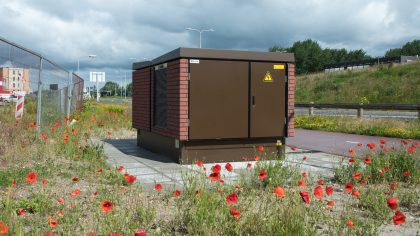
Snellere verzwaring van laagspanningsnetten vraagt om betere samenwerking
Verzwaringsopgave laagspanningsnetten
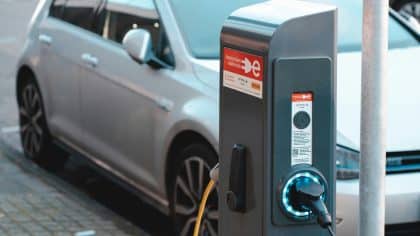
Satellietlaadpalen als tijdelijke oplossing bij netcongestie
De impact van satellietlaadpalen

Holistische aanpak helpt regio’s de energietransitie vormgeven
Renewable Energy Valleys to increase energy security while accelerating the green transition in Europe - Innovation action (IA)